Join the Conversation
Check out the latest and spread the word.

Stay updated via social media
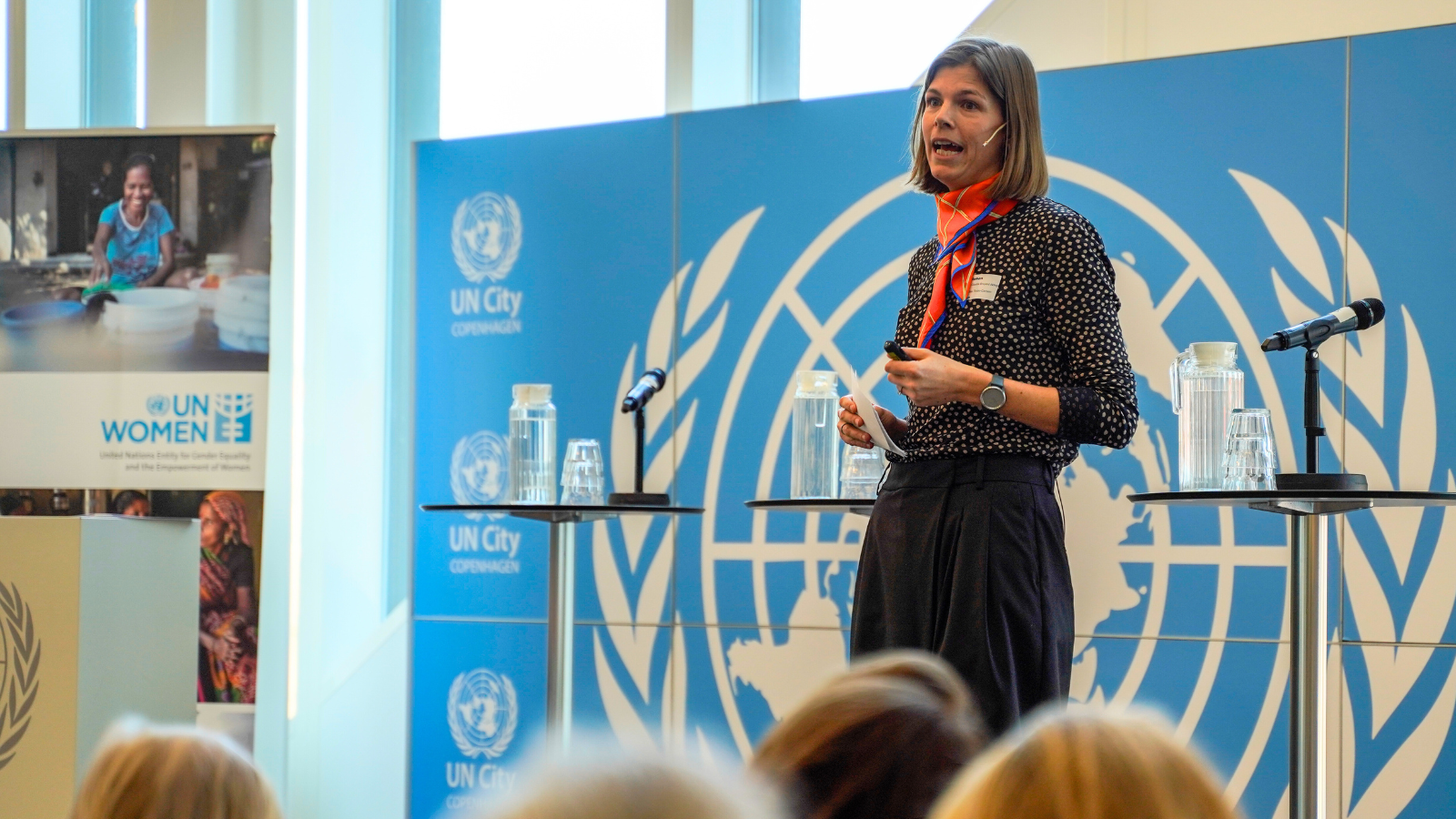
Claudia Bruyant Ndege, Managing Director and Partner of Boston Consulting Group. Photo Credit: Nora Krogsgaard
6 March 2026 - The Gender Diversity Roundtable 2026 at UN City Copenhagen brought together leaders from government, business, diplomacy and academia to mark International Women’s Day, placing the role of the private sector at the centre of advancing gender equality. As global attention turned to the Commission on the Status of Women (CSW), the event offered a timely space to examine how access to justice shapes women’s participation in the workplace and the broader economy.
Discussions throughout the morning focused on how equality is experienced in everyday working life. While legal frameworks establish important standards, participants reflected on how leadership, workplace culture and institutional practices determine whether those standards translate into fair opportunities and safe working environments. The conversation highlighted that access to justice is not only a legal issue, but one that is deeply influenced by how companies and institutions operate in practice.
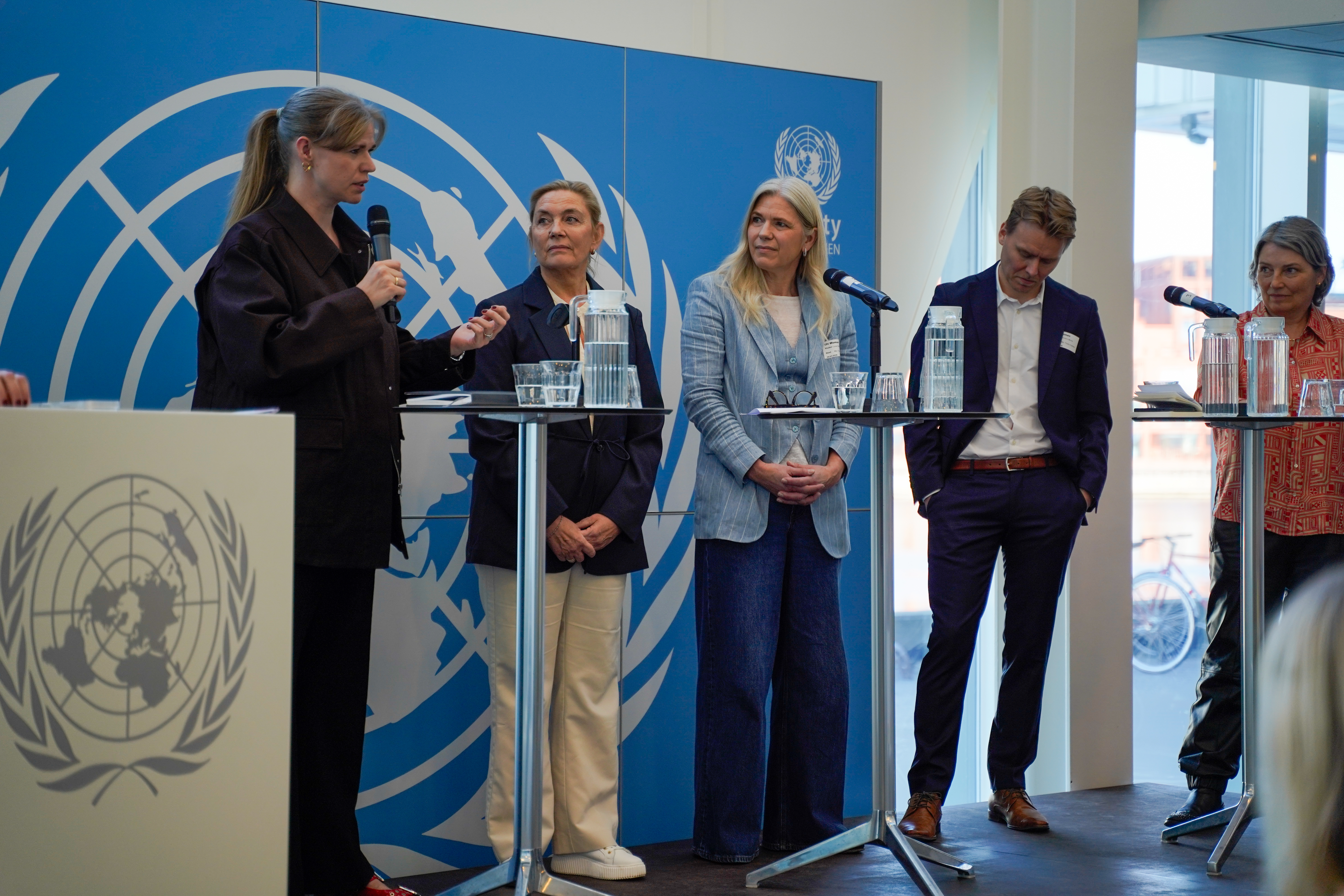
Opening the event, Vesna Jarić, Head of HeForShe at UN Women, situated the dialogue within a shifting global context. With CSW set to elevate access to justice as a priority theme, she noted that persistent gaps remain, both in law and in implementation, and that the role of the private sector is critical in closing these gaps. Companies, she emphasized, shape how equality is realised in areas such as equal pay, leadership, and access to protection and grievance mechanisms.
The roundtable underscored that advancing gender equality within the private sector remains unfinished business. Women continue to be underrepresented in leadership, and disparities in pay and opportunity persist. At the same time, participants reflected on the potential for companies to lead by example by embedding inclusive policies, strengthening accountability, and fostering workplace cultures grounded in fairness and respect.
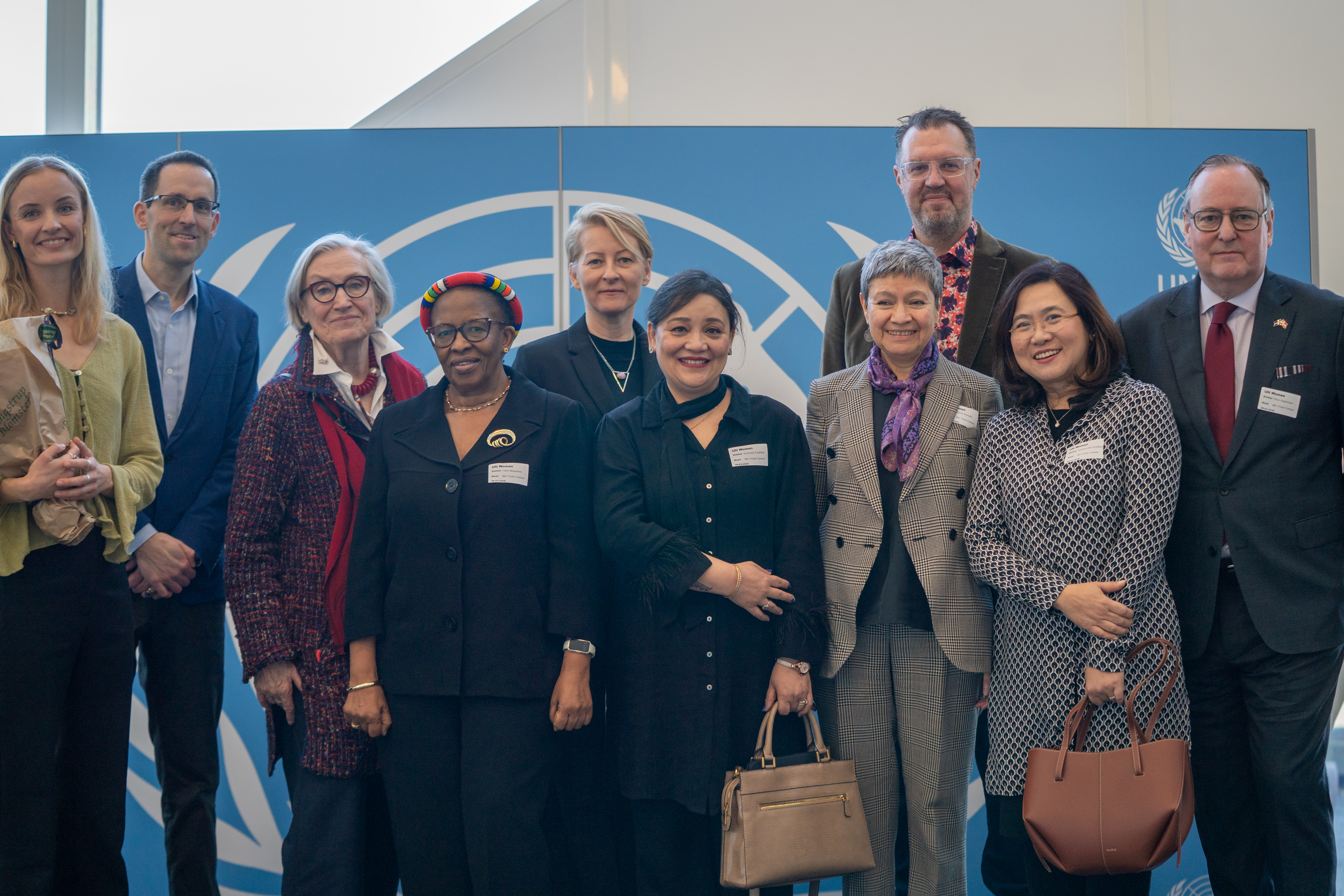
Ambassador of Mexico to Denmark, H.E. Norma Pensado, brought a global perspective to the discussion, reflecting her country’s leadership in advancing a feminist foreign policy. Her intervention reinforced the broader connection between equality, participation and peace, reminding participants that progress in one sphere supports progress in others.
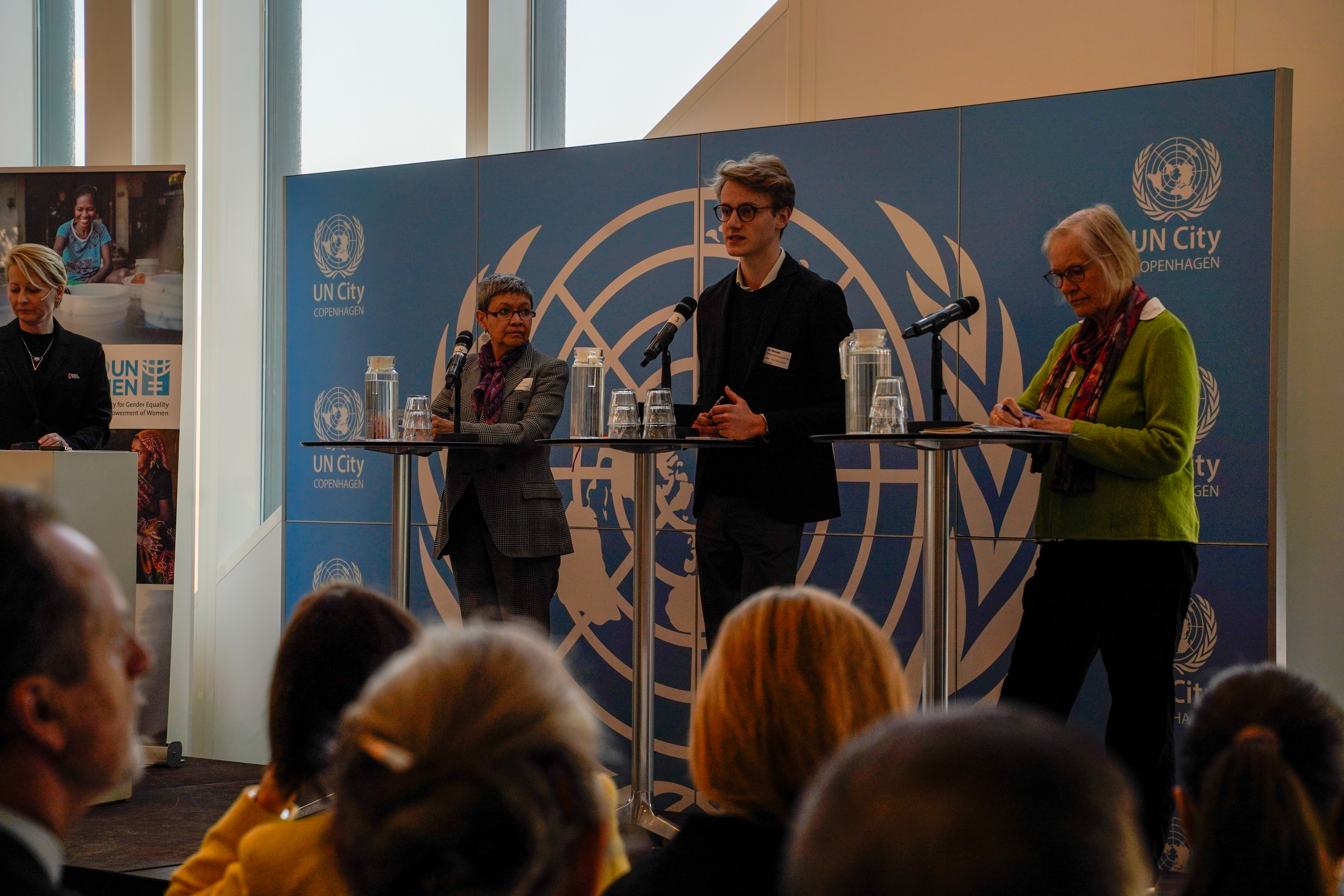
The importance of engaging younger generations also emerged as a key theme. UN Youth Delegate for Vocational Education and Job Training, Mads Haugbølle Behrendsen, highlighted that while young people may find it easier to speak with peers, communication with managers on issues related to rights and justice can be more challenging. Ensuring that young people enter the labour market with clear knowledge of their rights was identified as an essential step towards strengthening access to justice in practice.
Reflections during the programme also invited participants to think more deeply about the concept of justice itself. Professor Hanne Petersen’s question, “Why is justice a woman?”, encouraged consideration of the gap between symbolic representations of justice and the lived realities many women face. Complementing these discussions, a slam poetry performance by Christine Fast Lisby offered a powerful and creative perspective on themes of power, rights and equality.
“For having a gender that demands “inconvenient” policy
For demanding access to justice as if it was a key
As if access was an extra, an accessory
As if it wasn’t a fundamental human right”
- Christine Fast Lisby, Programme Assistant - Conducive Space for Peace
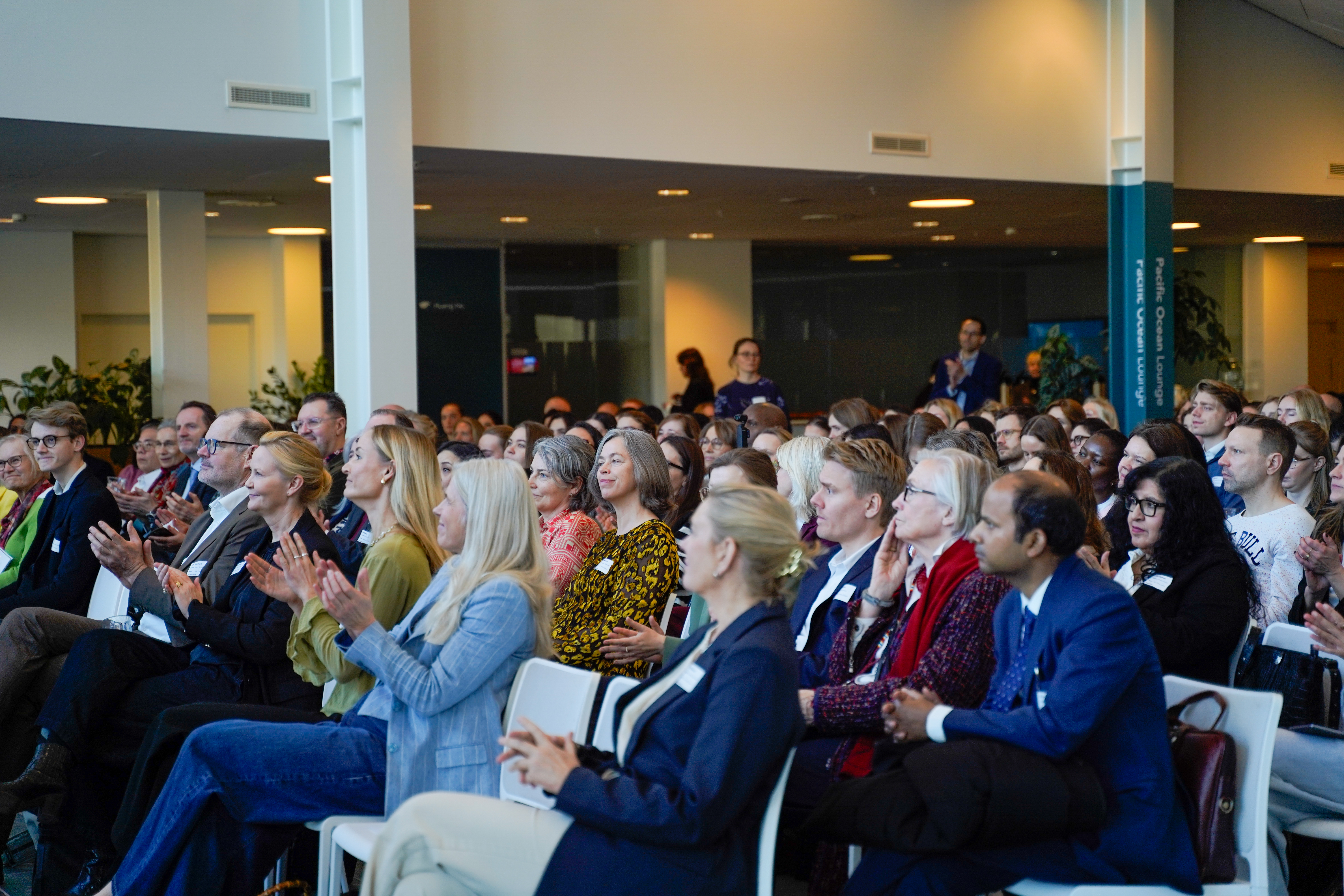
Across sectors, a shared understanding emerged: progress depends on coordinated action. Governments, private sector actors and civil society each play interconnected roles in translating commitments into tangible change. As the international community prepared for CSW, the Copenhagen roundtable highlighted the importance of partnership and practical implementation in ensuring that access to justice becomes a lived reality in workplaces and beyond.
Check out the latest and spread the word.